
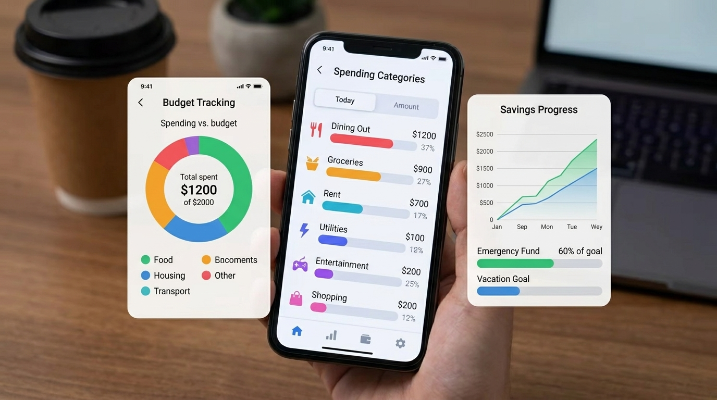
Personal finance apps have become vital tools that facilitate effective money management. These applications, which include popular options like Mint, YNAB (You Need A Budget), and PocketGuard, provide users with functionalities that enable them to track spending, set budgets, and monitor savings seamlessly in one location. By delivering a comprehensive snapshot of financial health directly to the user’s smartphone, personal finance apps empower individuals to make informed financial decisions that can substantially impact their economic well-being. The surge in user adoption of these platforms can be attributed to technological advancements that have made financial management more accessible and the increasing financial literacy among individuals, resulting in a growing number of people aiming to enhance their financial management capabilities. The 10 Best Checking Accounts Rewards Galore is a useful reference for evaluating rewards checking options.
The Best Personal Finance Apps
- Mint
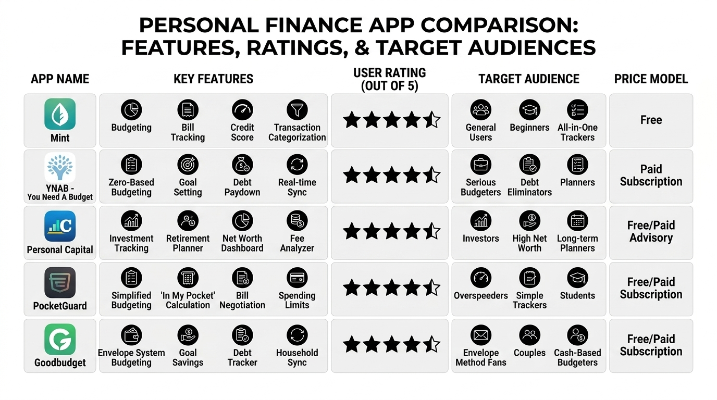
Mint stands out as a comprehensive finance management platform designed to help users effortlessly track their spending habits, create personalized budgets, and manage bills. Among its key features are automated expense categorization, goal-setting tools for savings, and credit score monitoring, all wrapped in a user-friendly interface that ensures ease of use for individuals at all levels of financial literacy. Rating: 9/10 - YNAB (You Need A Budget)
YNAB promotes a proactive approach to budgeting by encouraging users to assign every dollar a specific purpose. This app supports users in overcoming the paycheck-to-paycheck cycle through a unique budgeting model and offers seamless bank synchronization to track spending habits effectively. Rating: 8/10 - PocketGuard
PocketGuard simplifies the budgeting experience by presenting users with a straightforward view of their disposable income after accounting for bills, goals, and necessities. It’s particularly accessible for newcomers to personal finance, boasting a clear design and automatic syncing capabilities with bank accounts. Rating: 7/10 - GoodBudget
GoodBudget allows users to digitally implement the envelope budgeting method. It enables users to manually enter their income and expenses and is highly customizable to suit user preferences. Notably, it allows syncing across devices and facilitates budget sharing among family members. Rating: 6.5/10 - Acorns
Primarily focused on investments, Acorns helps users automate their savings by investing spare change from everyday purchases through its round-up feature. This app is particularly beneficial for beginners looking to grow their savings tactically and effortlessly. Rating: 8.5/10
Why Personal Finance Apps Matter
The significance of personal finance apps in today's financial landscape cannot be understated. They play an instrumental role in budgeting, expense tracking, saving, and investing. With the average household debt in the United States exceeding $15,000, as reported by the Federal Reserve, personal finance apps have become essential in helping individuals regain control over their finances and make educated financial decisions. Furthermore, financial literacy has never been more crucial, as around 66% of Americans consider themselves financially illiterate. This underscores the pressing need for accessible tools that translate complex financial principles into user-friendly applications.
These finance management tools have been shown to foster positive financial habits through features like real-time expense tracking and systematic goal-setting. Research indicates that individuals utilizing personal finance apps typically see savings increase by about 20% on average each month after implementing these digital tools into their routines. Engaging with budgeting apps also correlates to users being 30% more likely to reach their financial milestones. By providing transparency and control over personal finances, these applications promote better financial health and encourage a more financially secure society.
Features to Look For
When selecting the ideal personal finance app, evaluating pivotal features that align with your financial objectives and preferences is essential. We categorize these vital traits into four main frameworks: User Interface (UI), Security, Functionality, and Cost.
User Interface (UI)
A clear and intuitive user interface is crucial for ensuring smooth navigation and ease of use within personal finance apps. An effective app features straightforward menus, an aesthetically pleasing layout, and effortless access to primary functions. Focusing on user experience will not only boost your satisfaction but also promote regular engagement with the app.
Security
Data security must be a foremost priority when dealing with personal financial data. Opt for applications that utilize bank-level encryption and offer two-factor authentication measures to robustly protect sensitive information. Furthermore, review privacy policies to confirm adherence to stringent standards that guard your data from external access, ensuring that your financial details remain secure.
Functionality
Not all personal finance apps offer the same capabilities; therefore, it is vital to evaluate features such as budgeting tools, expense tracking, and comprehensive reporting options. Certain apps may shine in budgeting, while others focus primarily on detailed financial analyses. To cater to your needs, identify which functionalities are essential and opt for an application that supports customized budget categories and alerts for spending patterns.
Cost
The financial commitment for using personal finance apps varies considerably. Many options deliver free services, though these generally come with limited features. Premium versions, in contrast, often include more advanced functions and customer support. Assess your current financial circumstances and determine if the value added from a paid app justifies its cost. Opting for platforms that provide trial periods can also facilitate your exploration of features before making a decision.
Actionable Guidelines
To navigate the app selection process effectively, compile a list of your specific financial needs in order of priority, and utilize this list to assess different applications. Reading user reviews can also offer valuable insights into the usability and dependability of platforms. Ultimately, the best personal finance app for you is one that simplifies managing your finances while enhancing your security and offering engaging functionalities.
Different User Types and Their Needs
Beginners: Learning the Basics
For individuals embarking on their financial journeys, Mint shines as a perfect entry-level app. It demystifies budgeting and spending tracking, allowing novices to visualize their financial status easily. Using automatic transaction categorization, beginners quickly grasp their spending habits and can establish sound financial practices from the outset.
Families: Juggling Expenses
Families often encounter diverse financial challenges, balancing multiple incomes and managing an array of expenses. Here, YNAB excels by promoting proactive budgeting strategies and providing a collaborative platform for shared financial aspirations. Its emphasis on allocating funds effectively positions families to save for significant future expenses, like educational needs or vacations, while keeping day-to-day expenditures in check.
Young Professionals: Building Wealth
As young professionals carve their path in their careers, establishing financial stability becomes paramount. Personal Capital is an excellent fit for this audience. It merges budgeting insights with investment tracking, enabling users to visualize their net worth and formulate retirement strategies while managing everyday spending. This comprehensive framework assists young professionals in building wealth purposefully and effectively.
Retirees: Managing Fixed Incomes
For retirees, managing a fixed income can present significant challenges. EveryDollar is an ideal solution, featuring a straightforward budgeting tool that assists seniors in navigating both their incomes and expenses smoothly. Its user-friendly design aims at simplifying the experience for those who may be less tech-savvy, allowing retirees to focus on the joys of retirement without financial worries.
Each application mentioned caters to specific needs, heightening the financial literacy journey tailored for diverse user personas.
Empower Your Financial Future
In summary, personal finance apps are pivotal in navigating the complexities of financial management, providing users with tools and insights to regain control over their economic health. As highlighted in this guide, these applications streamline budgeting processes, enhance savings strategies, and elevate overall financial literacy. As you consider your financial requirements, take the opportunity to explore your options and select the app that resonates best with your unique lifestyle and monetary objectives. Making a thoughtful selection can lead to sustainable success, ensuring a more secure financial future.