Wealth-building is the ongoing process of acquiring financial assets that enables individuals to attain financial independence and a comfortable lifestyle. Understanding "How to Build Wealth from Scratch" goes beyond merely increasing bank balances; it's about securing a future rich with opportunities for personal freedom and peace of mind. This guide explores practical strategies to empower readers to embark on their unique wealth-building journeys, regardless of their current financial situation. By emphasizing actionable steps, we aspire to inspire individuals to transform their economic realities, enhancing both their financial well-being and overall quality of life.

Understanding 'Building Wealth'
At its essence, building wealth refers to the methodical accumulation of assets that can appreciate over time, providing a safety net and options for future investments. This process encompasses a blend of saving, investing, and prudent financial planning. The principal goal is to enhance your net worth through strategies that may include consistent contributions to savings accounts, strategic real estate investments, and minimizing debt exposure.
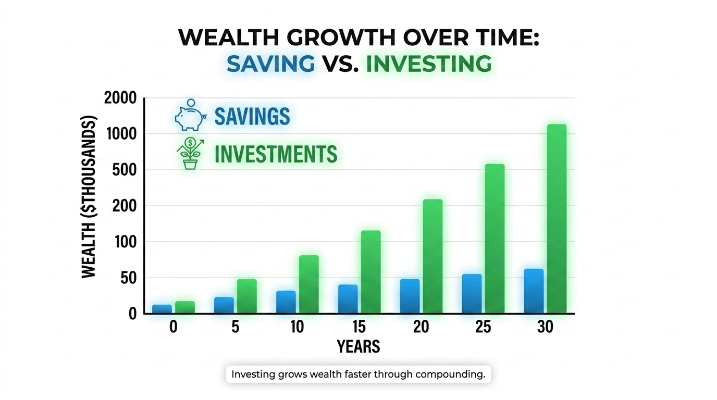
A fundamental strategy for wealth accumulation involves effective budgeting. Gaining a clear understanding of your expenditure allows you to allocate funds toward savings and investments instead of superfluous spending. Furthermore, enhancing income streams—whether through securing a higher-paying job, engaging in side hustles, or generating passive income—can significantly impact wealth growth. Reinvesting the returns from these ventures enables compounding effects, which accelerate your wealth accumulation over time.
Ultimately, wealth-building transcends mere monetary accumulation; it embodies the creation of a robust financial future that supports your life goals and nurtures a sense of security and ease.
The Importance of Building Wealth
The pursuit of wealth is a crucial undertaking that encapsulates the core of financial security and the freedom it imparts. Financial security empowers individuals to confront unexpected challenges without the looming threat of economic instability. By adeptly managing resources and assets, one achieves an independence that fosters personal choice, alleviates stress, and enhances overall well-being.
Beyond the immediate personal advantages, building wealth serves to fortify broader economic health. Individuals investing in themselves or their communities propagate a ripple effect that invigorates local economies and fuels growth. Wealth creation leads to entrepreneurial dynamics, bolsters employment rates, and catalyzes increased tax revenues, ultimately benefiting society on the whole.
Moreover, wealth enhances lifestyle by granting access to improved opportunities such as quality education, reliable healthcare, and enriching leisure activities that add color to life. It forms a foundation that empowers individuals to relish superior living standards, pursue passions, and create memorable experiences with loved ones.
Lastly, prioritizing wealth accumulation ensures future security—be it for retirement, family support, or creating a lasting legacy. Recognizing that focusing on wealth-building secures your future while making a positive contribution to communities is vital. In a world permeated by unpredictability, establishing financial stability through wealth is paramount for everyone intending to shape their financial destinies.
These aspects emphasize that building wealth is not merely a personal undertaking—it represents a fundamental element of sustainable living within a collective society. If you struggle with impulse buying, 30-Day Savings Rule helps you slow down financial decisions.
Applying the 50/30/20 Rule
The 50/30/20 rule stands as a straightforward yet powerful framework for managing personal finances, enabling anyone to gain greater control over their financial landscape. This guideline segments your after-tax income into three distinct categories: 50% for needs, 30% for wants, and 20% for savings.
Needs (50%) consist of essential living costs—housing, utilities, food, and healthcare—expenses critical for daily survival. Conversely, Wants (30%) include discretionary spending that enhances life experiences, such as dining out, travel, and entertainment. The final category, Savings (20%), should cover contributions to your emergency fund, retirement accounts, and various investment plans.
To visualize the practicality of the 50/30/20 rule, suppose you receive a monthly income of $3,000 after taxes. Under this structure:
- 50% for Needs: $1,500 allotted for essentials
- 30% for Wants: $900 reserved for discretionary indulgences
- 20% for Savings: $600 set aside for savings and investments
This method effectively ensures that you not only meet your basic requirements but also allows for meaningful enjoyment while steadily progressing towards a robust financial future. Implementing the 50/30/20 rule transforms budgeting into a palatable practice, empowering individuals to manage their financial well-being without feeling deprived. Begin this practice today and realize how it can pave the way for greater financial stability and wealth accumulation.
Customizing Strategies for Diverse Profiles
When contemplating wealth-building strategies, it is critical to tailor advice to various user profiles. Let’s examine three primary demographics: Young Professionals, Families, and Retirees.
Young Professionals
For recent graduates entering the job market, the emphasis should be on early saving and strategic investing. Start by establishing an emergency fund sufficient to cover three to six months of living expenses. Once that security is established, begin contributing to a retirement plan, particularly if your employer matches contributions. Explore automated investing options, such as robo-advisors that build diversified portfolios aligned with your risk tolerance and objectives. Additionally, delve into low-cost index funds to maximize growth potential while keeping expenses at bay.
Families
Budgeting is essential for families as they navigate expenses related to housing, childcare, and education. Kick off by crafting a comprehensive monthly budget to monitor all income and expenditures. Prioritize setting aside funds for your children’s education via tax-advantaged accounts like 529 plans. Utilize strategies like meal prep and couponing to trim grocery expenses, allowing more resources to be channeled towards debt reduction and retirement savings. It is also advisable to periodically reassess your budget and adjust objectives as your family’s needs evolve.
Retirees
For retirees, the conservation of existing capital takes precedence. Concentrate on sustaining a balanced portfolio comprising both stocks for growth and bonds for security. Work alongside a financial advisor to devise a withdrawal strategy that minimizes tax ramifications while ensuring a sustainable income stream throughout retirement. Consider alternative income sources such as rental properties or dividend-generating investments to supplement pensions or Social Security benefits. Engaging in estate planning is also paramount; safeguard your assets and guarantee that your intentions are honored in the future.
By addressing the distinct financial requirements of each demographic, we can devise effective strategies that enable individuals from all backgrounds to cultivate and sustain their wealth.
Real-Life Success Stories
Building wealth from the ground up isn’t just an abstract ideal; it’s the tangible reality for numerous determined individuals and families worldwide. One uplifting narrative belongs to Sarah and James, a couple who rose from modest beginnings. They embarked on their journey by prioritizing savings, living frugally, and pursuing side jobs. Sarah took on freelance graphic design work, while James tutored local students in math. This combined income allowed them to save enough for a down payment on a small duplex, which they occupied while renting out the other unit. This astute investment led them to pay off their mortgage early and start accumulating equity.
Another inspiring case is Tom, who transformed his love for cooking into a thriving catering business. Initially starting with a few orders each month from friends and family, he grew his business by reinvesting profits into marketing and menu expansion. Within five years, Tom’s catering service became a staple in the community, paving the way for a comfortable income and motivating others in his area to pursue their entrepreneurial dreams.
These stories serve as poignant reminders that with persistence, informed financial decisions, and a willingness to learn, anyone can build wealth from scratch. By concentrating on savings, making informed investments, and exploring entrepreneurial ventures, individuals can redirect their financial futures and inspire many others along the way.
Embrace the Wealth-Building Journey
Embarking on the journey of building wealth from scratch is an empowering venture requiring commitment and strategic planning. This guide emphasized the critical significance of financial security, outlined actionable strategies, and shared motivating success stories. By applying these principles and cultivating a mindset favoring wealth accumulation, you can significantly transform your financial destiny. Remember, wealth transcends the mere act of collecting money; it embodies the assurance of a stable and prosperous life for you and your loved ones. Embrace these insights, take proactive steps today, and witness your financial aspirations blossom. Start building your wealth presently—the future version of you will be grateful!