In today’s increasingly intricate financial environment, many individuals find themselves overwhelmed by various debts from different sources. This is where debt consolidation emerges as a viable and often advantageous solution. Primarily, debt consolidation involves merging multiple debts into a single loan, ideally accompanied by a more favorable interest rate. Understanding and efficiently managing personal debt is essential for attaining financial stability; thus, clarity in financial decision-making is crucial. As individuals navigate their financial journeys, recognizing the significance of debt consolidation can empower them to regain control over their obligations. This guide will illuminate the concept of debt consolidation, outline its importance, and discuss how it can assist individuals in managing their financial futures effectively.
What is Debt Consolidation?
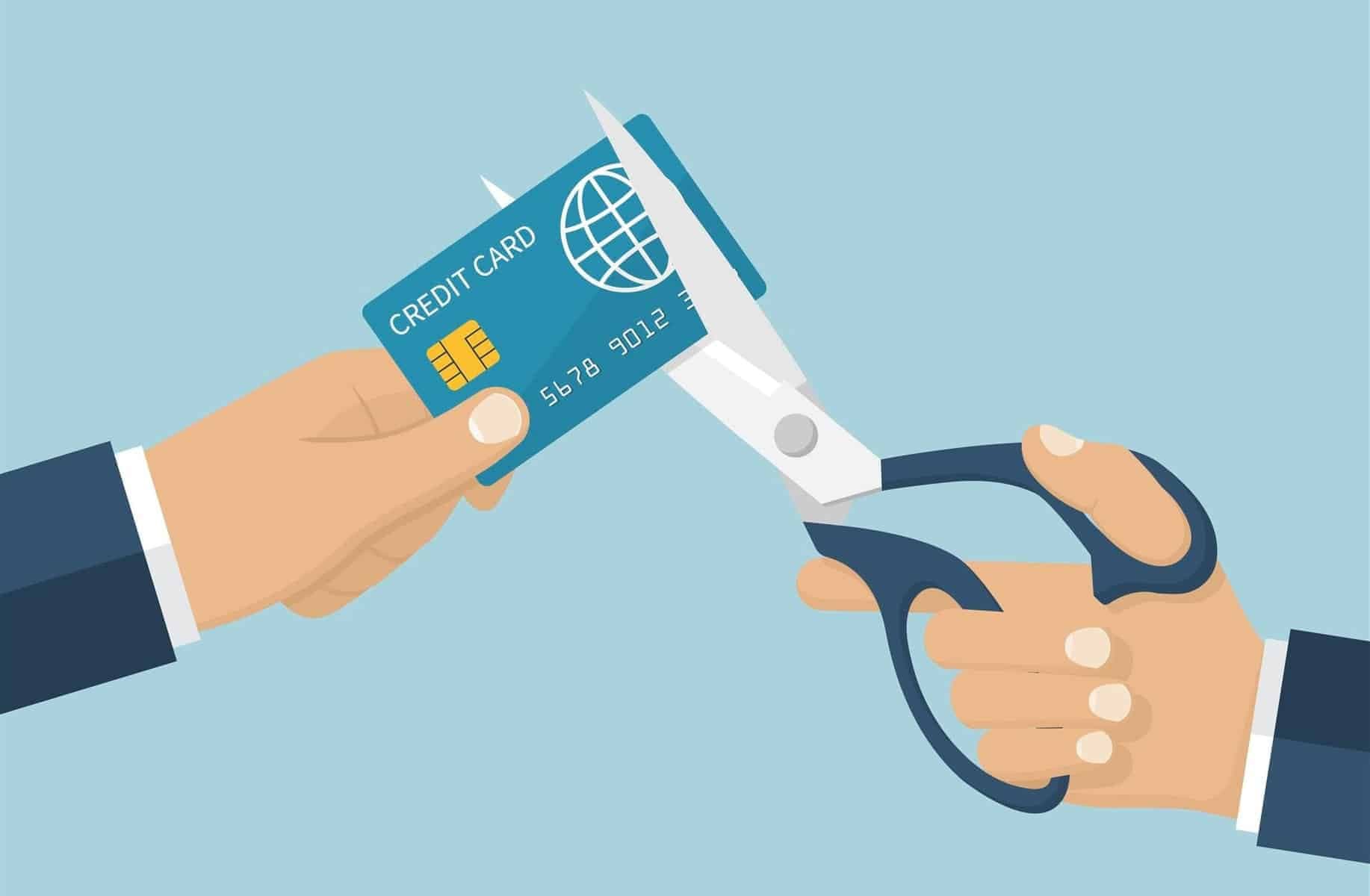
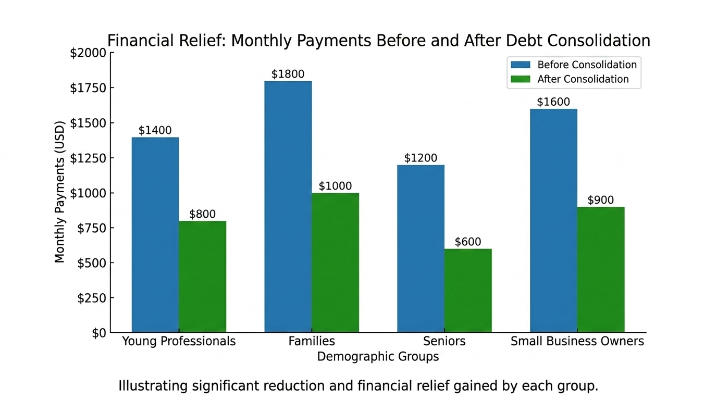
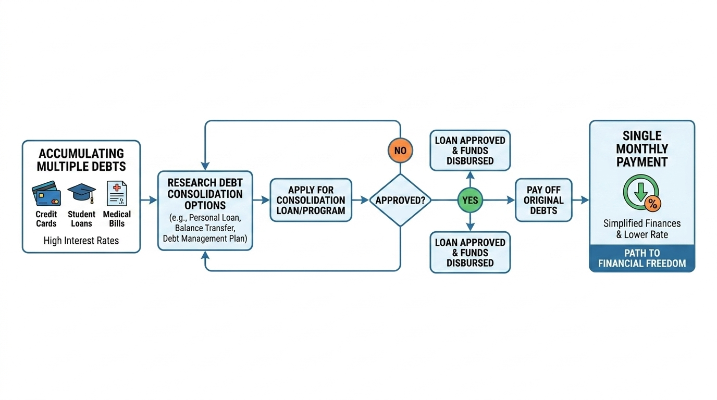
Debt consolidation is the process in which an individual combines various debts into a single new loan. Typically, this is done to secure a lower interest rate than that of the existing debts. For example, if an individual can consolidate multiple credit card debts accruing interest rates of 20% or more down to a single loan at 10%, they can significantly reduce their overall monthly payments and total interest paid over time. The process of debt consolidation simplifies repayment, allowing borrowers to focus on a single monthly payment instead of juggling multiple ones. Additionally, many people experience a reduction in their monthly payment amounts, which can range from 30% to 50% less than what they were previously paying. These benefits highlight the importance of exploring debt consolidation in today’s financial landscape, where managing debt efficiently is essential.
Why Debt Consolidation Matters
Effectively managing debt is pivotal for maintaining financial health and a favorable credit score. Debt consolidation not only simplifies the repayment process but can also improve one's credit score over time. When multiple debts are consolidated into one, the individual reduces their credit utilization rate, which is a key factor in credit scoring models. Additionally, the emotional and psychological burden associated with managing multiple debts can lead to stress and anxiety; thus, consolidating debts can also bring peace of mind. This process fosters a more organized approach to managing finances, allowing individuals to feel more in control of their financial situations and encouraging better financial habits going forward.
The Debt Consolidation Equation
To calculate potential savings from debt consolidation, one can use the following formula:
Total Savings = (Current Debt Amount x Current Average Interest Rate) - (New Debt Amount x New Consolidated Interest Rate).
Breaking this down involves assessing several key points:
- Total Existing Debts: Sum of all debts you wish to consolidate.
- Current Interest Rates vs. Consolidated Rate: The interest rates of your debts and the new rate offered upon consolidation.
- Expected Monthly Payment: Projected payment after consolidation before considering any changes in total debt amounts or expected duration of the loan.
For instance, let’s suppose an individual has $20,000 in credit card debt at an interest rate of 18% and is considering a consolidation loan with a 10% interest rate. By plugging into the formula:
Total Savings = (20000 x 0.18) - (20000 x 0.10) gives you a clear picture of financial benefits, thereby emphasizing the importance of understanding how different debt amounts and interest rates can impact one’s savings via consolidation.
Different User Types
Different demographics of borrowers can greatly benefit from debt consolidation. For example:
- Recent Graduates with Student Loans: They often face high-interest rates on student loans. Consolidation can lower their monthly payments and interest rates, easing the transition into post-graduate life.
- Families with Multiple Credit Card Debts: Families managing significant credit card bills can find relief in consolidating these debts to a single payment, often at a lower rate, which can free up cash flow for necessities.
- Senior Citizens Managing Medical Bills: Older individuals often deal with escalating medical expenses and could benefit from consolidation, reducing financial strain. Tailored recommendations for each group can include exploring government programs for student loans, seeking lower rates specifically for credit card debts, and looking into specialized loans designed for seniors with medical expenses.
Success Stories of Debt Consolidation
Several individuals have successfully transformed their financial situations through debt consolidation. Consider Sarah, a new graduate with $30,000 in student loans and credit card debts. After consolidating her debts into one manageable loan at a 5% interest rate, her monthly payments decreased from $600 to $400. Another example is Mark, who had accumulated $40,000 in credit card debt. By consolidating into a home equity loan with a lower interest rate of 4%, he not only reduced his payments but also made a plan to pay off his debt within five years. These real-life examples demonstrate how the right debt consolidation strategy can lead to financial liberation and peace of mind.
Empowering Your Financial Future Through Debt Consolidation
In summary, understanding debt consolidation can pave the way to more efficient financial management. It offers a practical means of reducing the overall debt burden while simultaneously simplifying repayment processes. For many individuals, recognizing the potential of debt consolidation as a significant financial strategy can transform not only their financial stability but also their quality of life. By carefully considering unique financial situations and seeking professional advice when necessary, individuals can take substantial steps towards regaining control over their financial futures.